
State of Art Scientific Lab
Where we explore, restore and preserve our historical treasure.
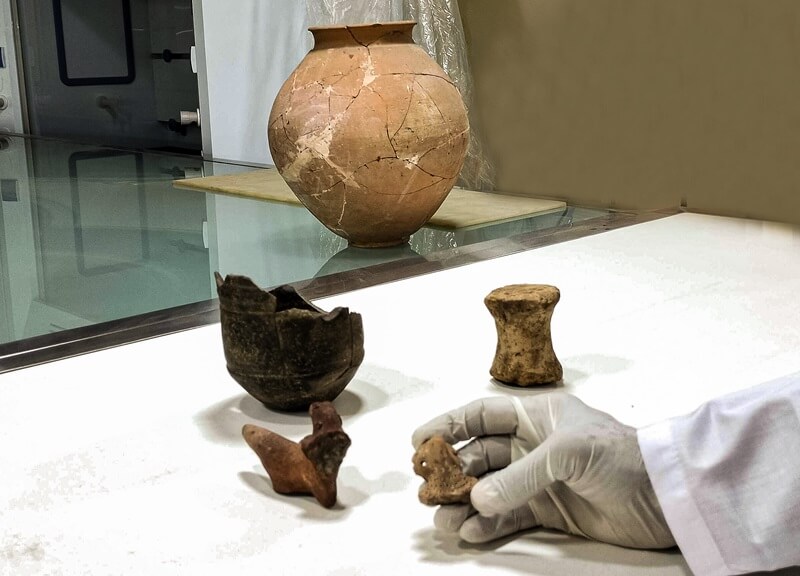
Our Scientific Laboratory
Intoduction
Exploration and Excavation Branch of the Culture Department, Government of Sindh, is proud to present a visionary Laboratory for “Scientific Research and Archaeological Discoveries”. This initiative arises from the pressing need to safeguard and restore the priceless antiquities unearthed during excavations at various archaeological sites in Sindh, Punjab, and Khyber Pakhtunkhwa, with a particular focus on artifacts from the ancient Indus Valley Civilization. These invaluable treasures, hailing from renowned historical sites such as Kotdiji, Mohenjo Daro, Harrapa, Naro Jo Dhoro, Banbhore, Allah Dino Site, and various other archaeological sites, are currently housed in poor conditions at the Office of the Exploration and Excavation Branch, near Rumi Graveyard, Northern Bypass, Karachi.
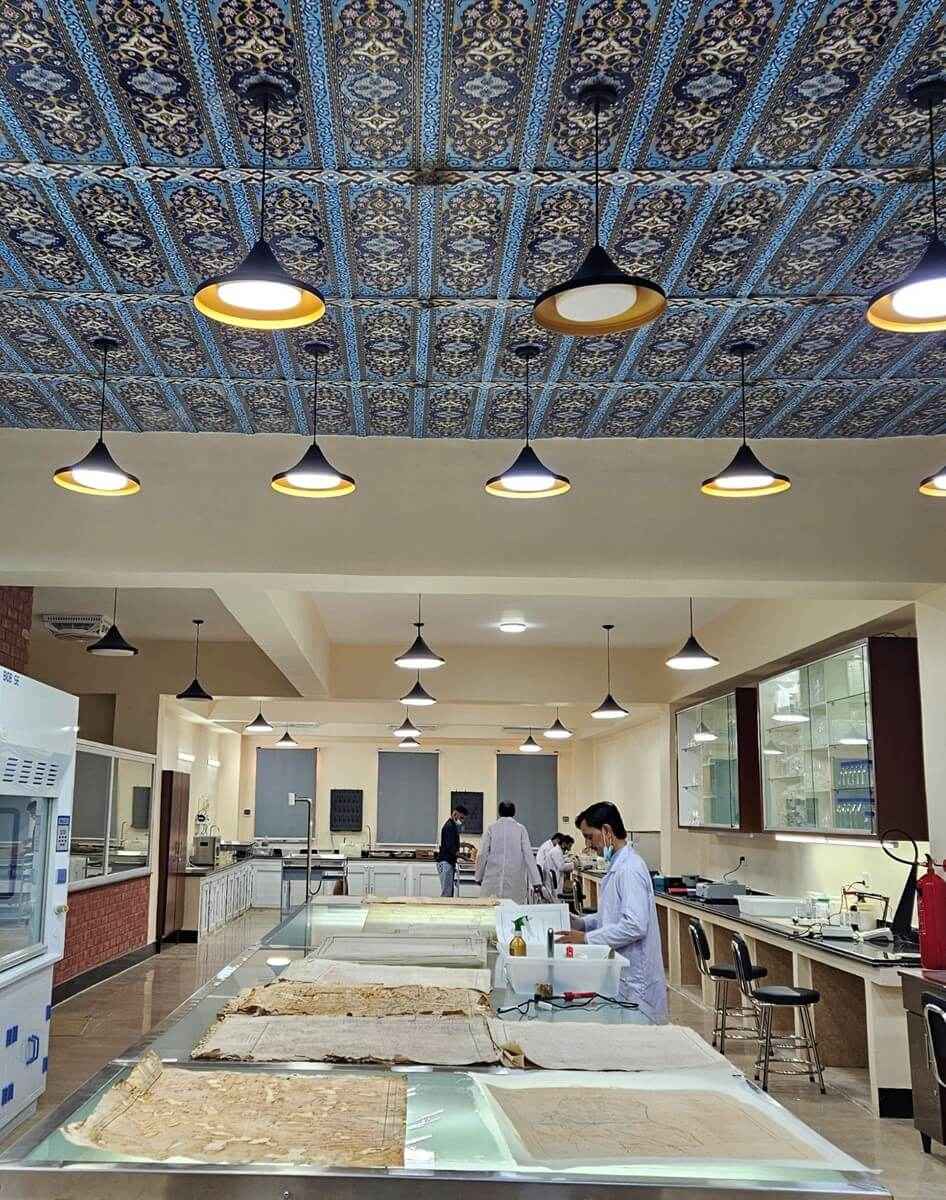
About the Lab:
Scope
“Safeguarding our heritage and tangible culture”
- Inventory and Cataloging: Conduct a meticulous inventory and cataloging of all antiquities. Each artifact will be documented comprehensively, including its origin, condition, and historical significance. Implement a standardized cataloging system for future reference.
- Preservation Laboratory: Establish a state-of-the-art preservation laboratory equipped with advanced tools, equipment, and expert conservators to perform restoration work on the antiquities.
- Preservation Standards:Adhere to the following international preservation standards and best practices:
- Environmental Control: Maintain controlled temperature and humidity levels within storage areas and the preservation laboratory to prevent degradation due to fluctuations in climate.
- Materials and Handling: Use archival-grade materials for storage and handling. All personnel handling the antiquities must wear appropriate protective gear, including gloves
- Preservation Ethics: Follow ethical guidelines for preservation, respecting the historical authenticity and integrity of the artifacts. Interventions should be reversible whenever possible.
- Cleaning: Clean artifacts using non-invasive methods, such as soft brushes and vacuum suction. Avoid the use of harsh chemicals or abrasives that may damage the surface.
- Restoration Techniques: Utilize reversible restoration techniques, ensuring that any repairs are clearly documented and do not compromise the artifact’s historical value.
- Documentation: Maintain detailed records of all preservation and restoration work, including old maps, daily diaries, excavation record, descriptions, and reports.
- Restoration: Prioritize and initiate the restoration process for the broken antiquities, ensuring their structural integrity and aesthetic appeal are restored while maintaining historical authenticity.
- Proper Storage: Reorganize and house the antiquities in a manner that ensures their safety and accessibility. Use climate-controlled cabinets, acid-free storage materials, and appropriate padding to prevent physical damage.
- Digital Documentation: Create a comprehensive digital archive of the antiquities, including high-resolution images and detailed descriptions. This archive will serve as a valuable resource for research and educational purposes.
- Public Engagement: Develop plans for public exhibitions and educational programs to raise awareness about the cultural significance of these antiquities. These exhibitions will adhere to international standards for artifact display and visitor engagement.
Phone
+92 (345) 307-4795
VISIT
09am to 05pm
Mon–Fri
Contact us
Address
Behind Rumi Graveyard, Northern Bypass, Karachi
Sindh.